Spatial Computing: Design and Development
ID4401 | ID5401
Gabriel Elijah Lipkowitz (Dr.)
Assistant Professor @ National University of Singapore
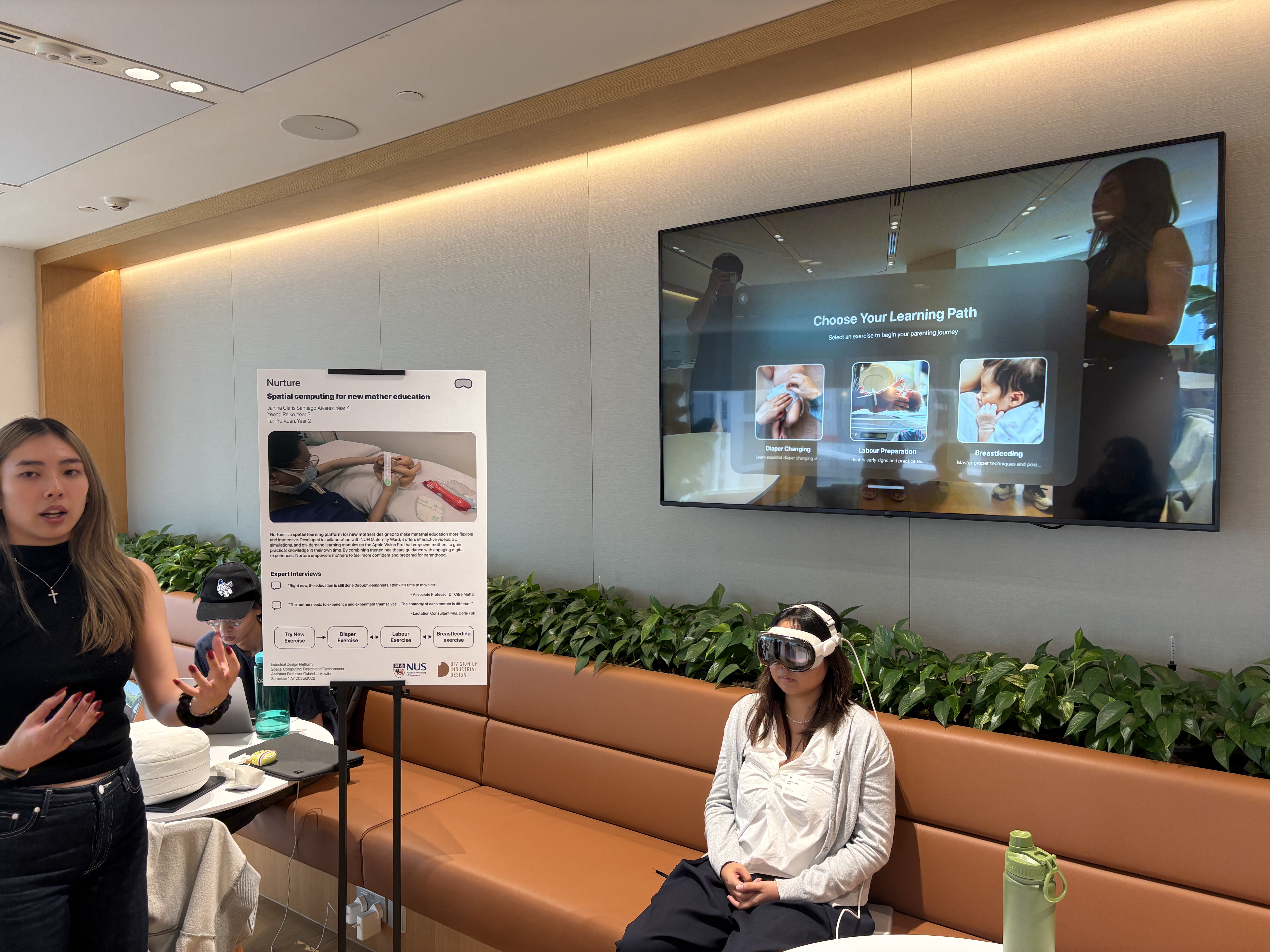
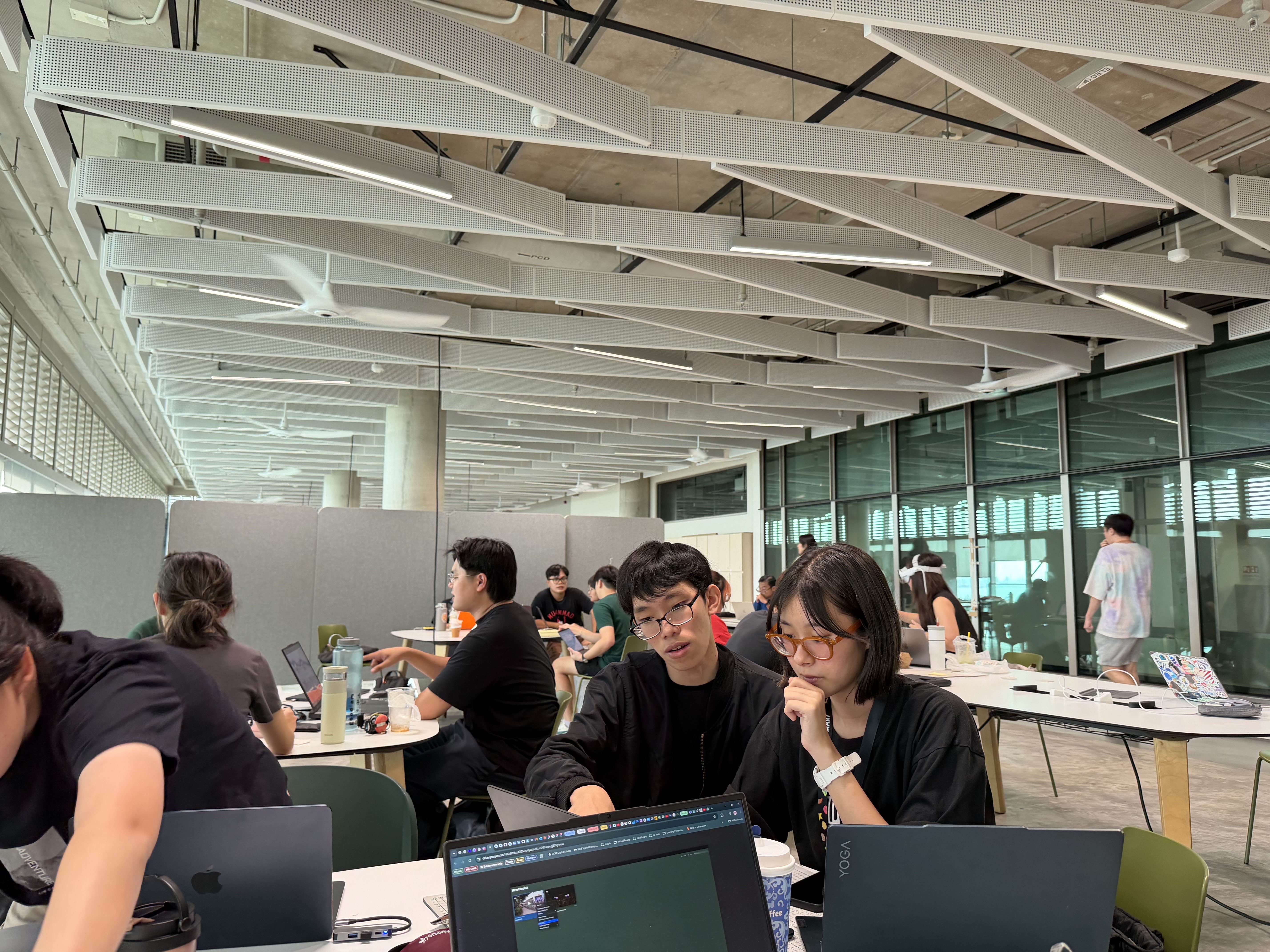
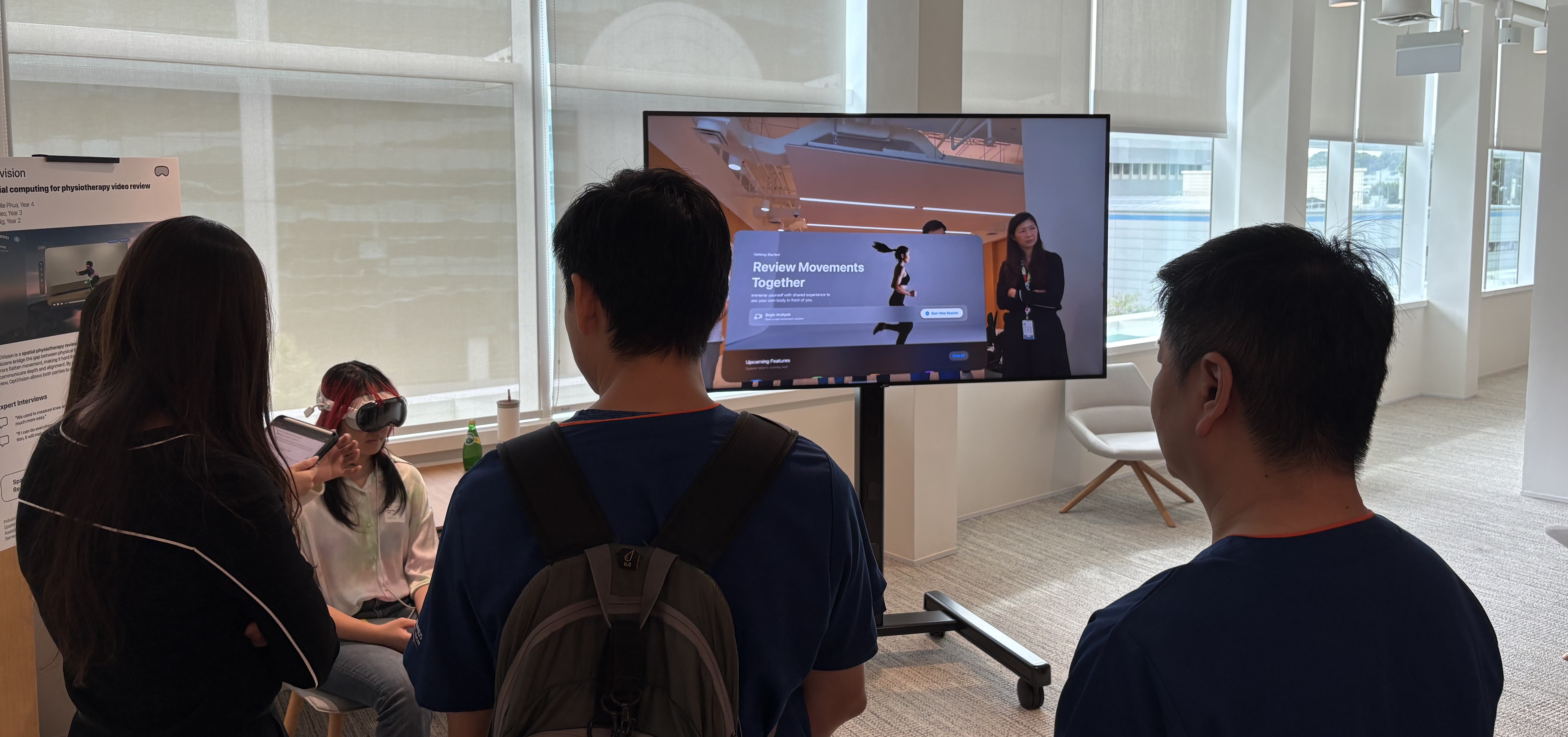
Image from the project showcase of "Spatial Computing: Design and Development”, a design studio platform conducted in Semester 1 AY2025/2026 taught by Assistant Prof. Lipkowitz.
Emerging spatial computing platforms offer an entirely new way of experiencing digital content in a user's three-dimensional space. Such applications often draw heavily upon equally new models from artificial intelligence to enable such interactions that blend the digital and physical worlds. Through hands-on projects, this course will give students both the technical and creative skills required to enter a burgeoning technology sector. Students will be prepared to take on roles across augmented reality (AR), virtual reality (VR), mixed reality (MR), and spatial computing platforms, including Apple Vision Pro.
What you'll learn
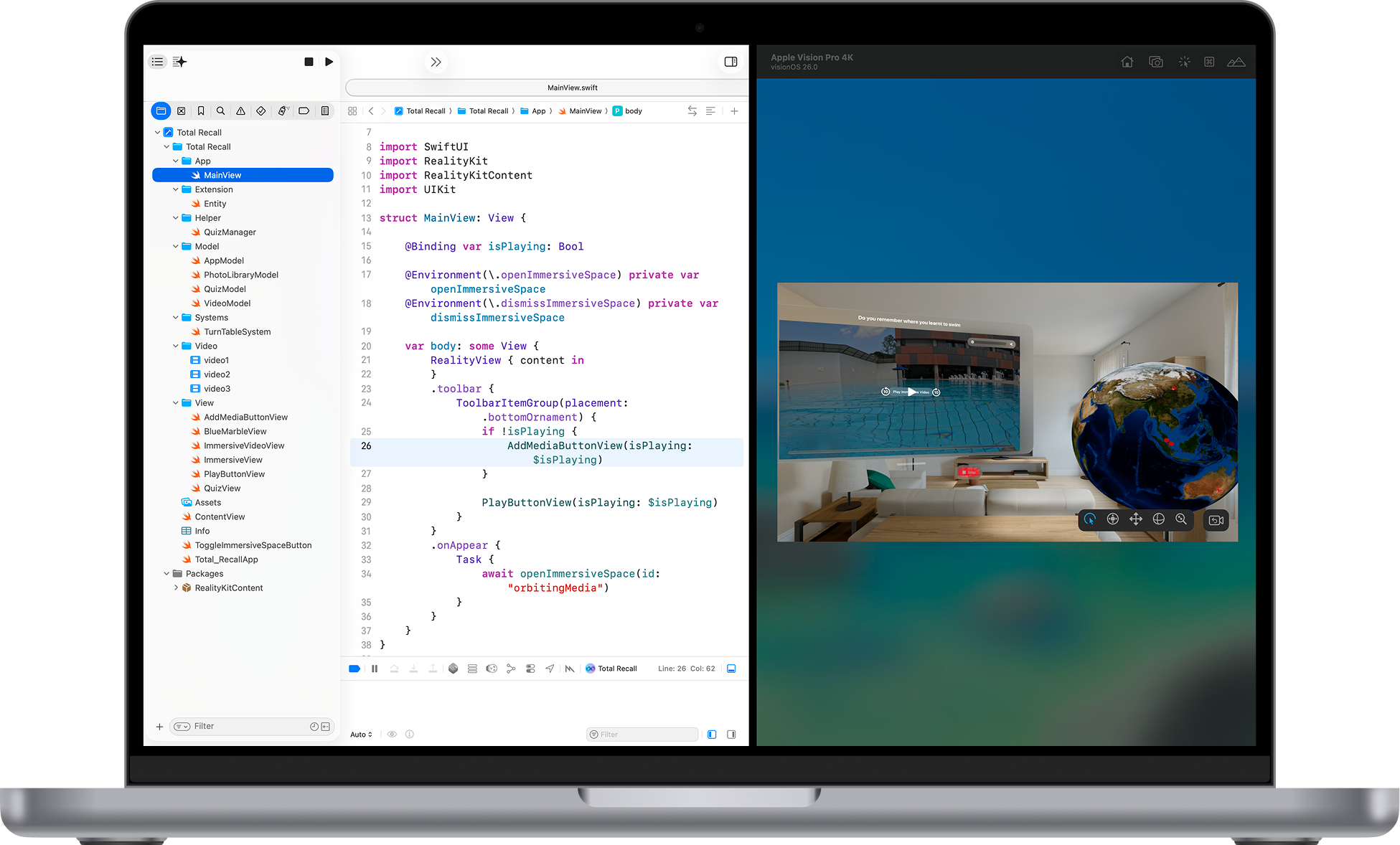
Xcode
This course will utilize the Xcode Integrated Development Environment (IDE). Xcode offers you the tool to build, test and debug mobile and spatial computing applications.
SwiftUI
SwiftUI is a declarative framework for building user interfaces on Apple platforms. This course will equip you with a foundation in SwiftUI to create great-looking, responsive and declarative user interfaces for immersive and mobile applications.
RealityKit
RealityKit works hand in hand with SwiftUI to provide high-performance 3D simulation and rendering capabilities for 3D and augmented reality (AR) applications. In this course, you will use RealityKit framework to design and implement 3D spatial interfaces, animations, and physics-based environments.
ARKit
ARKit works with SwiftUI to provide a simple and intuitive way to create fantastic augmented reality (AR) experiences that integrate virtual objects into real-world contexts. In this course, you will use ARKit to access Apple Vision Pro's advanced hardware capabilities to curate your very own AR experiences.
CoreML
CoreML allows you to integrate machine learning models into your spatial application. It opens up endless possibilities to enable intelligent behavior on your app, such as, but not limited to, speech and visual recognition.
Cross-platform HMD application
Learning the basics of cross-platform development is crucial to bring your app and spatial experiences to everyone. This course will prepare you to deliver cross-device immersive experiences for mobile and spatial interfaces.